
Where’s my federal tax refund? A checklist before you call
Use the IRS status tool, compare the right timeline and gather only the information the official process asks for.
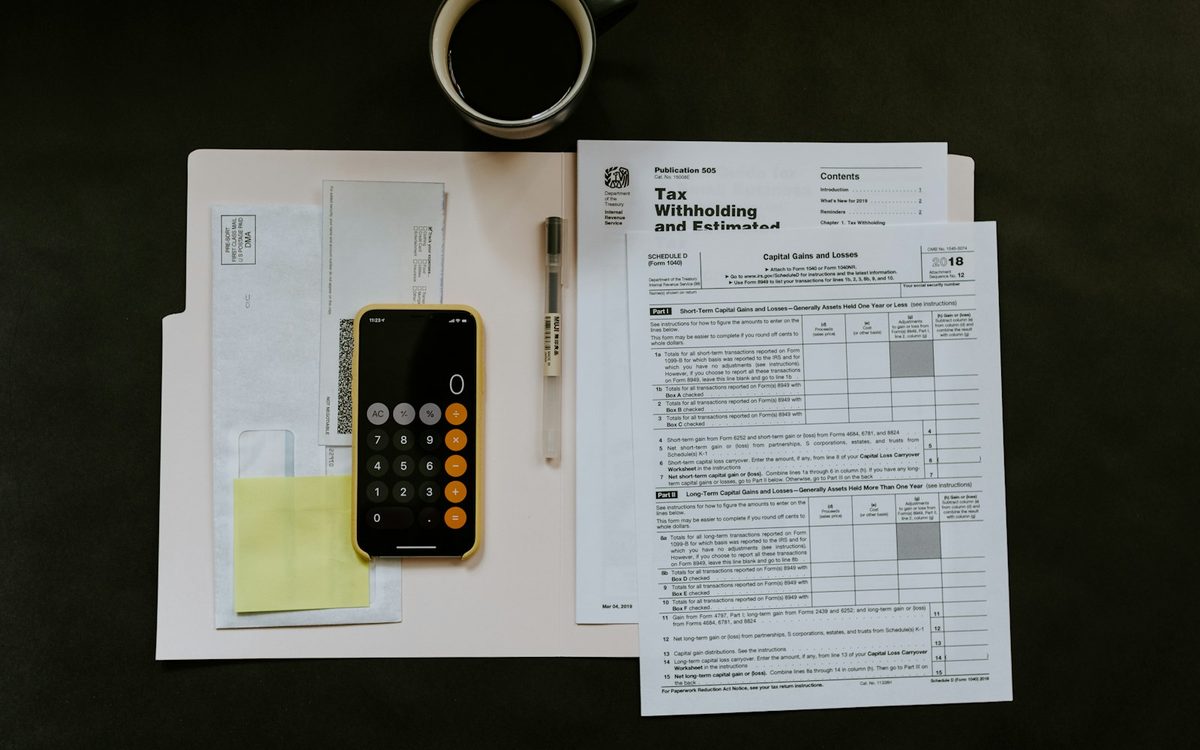
Start with the IRS’s own refund-status tool, not a search result promising to “find” your refund. The IRS says its status information is generally available 24 hours after electronically filing a current-year return, three to four days after electronically filing a prior-year return, and four weeks after mailing a paper return (IRS refunds).
Gather the three matching details
The IRS status process asks for the Social Security number or ITIN, filing status and exact whole-dollar refund amount shown on the return. Use the return you actually filed, including a corrected amount if your accepted return differs from a draft.
Enter these details only on IRS.gov or the official IRS2Go app. A legitimate refund check does not require giving a search site your tax transcript, identity document or online-banking password.
Compare the correct timeline
The IRS says most refunds are issued in fewer than 21 days for electronically filed returns, while mailed returns can take six weeks or more. Those are general processing ranges, not promises for every return. An amended return, identity-verification request, review or error can follow a different path.
Count from acceptance, not merely from the day you pressed submit. Your tax software’s “sent” message and the IRS’s acceptance are separate events. Keep the acceptance notice and a copy of the filed return.
Read the status message literally
“Return received,” “refund approved” and “refund sent” describe different stages. If the tool gives a date or asks you to respond to a notice, follow that instruction before calling. The IRS says the tool updates once daily, usually overnight, so repeated checks during one day do not produce fresher information.
If the IRS changes the refund amount, it generally sends a notice explaining the adjustment. Compare the notice with your filed return and keep both. Do not assume a smaller deposit means the bank deducted a fee; adjustments, offsets and preparer payment arrangements are different issues.
If the refund was sent but did not arrive
First verify the delivery method and account information on your filed return. For a direct deposit, contact the bank if the IRS shows the refund sent but the expected posting window has passed. The IRS’s refund trace guidance explains when and how a trace may begin; timing differs for direct deposits and mailed checks.
If a preparer arranged a refund-transfer product, the deposit may pass through a financial institution named in that agreement. Review the paperwork before assuming the IRS sent money to an unknown account.
Call only when the official guidance says to
The IRS asks taxpayers not to call about a refund unless the status tool directs them to call or the applicable processing time has passed. When a call is warranted, have the filed return, notices, acceptance date and status message available. Never share an IRS account password or one-time code with a caller.
This checklist does not diagnose every delay. It does put the evidence in order: confirm acceptance, use the official status tool, compare the right processing range, follow any notice, then use the IRS’s stated escalation path.